
"western China cafes"
700 article(s) found

Coffee introduced into China and Chinese Coffee Culture
There are several meanings to say that coffee was introduced into China: first, coffee was introduced into China and was initially consumed by European and American people who came to China; second, there were commercial cafes where ordinary people, Chinese and foreign people could drink and entertain themselves; and third, coffee was cultivated in the field in China, produced and sold for its own use.

History of Coffee Development in China-when was coffee introduced into China
History of Coffee Development in China-when coffee was introduced to China during the Gulf War in 1991, people worried about the war affecting the supply of daily necessities, rushed to supermarkets to buy coffee and sugar. The French do not drink coffee hurriedly and leave, but taste it slowly, taste it carefully, read books and newspapers, talk about it, and drink it for most of the day. The French have formed this habit of drinking coffee

How about Platinum Coffee College? Can you learn the real thing? How much is the tuition fee of Beijing Pulan Coffee College
Professional coffee knowledge exchange more coffee bean information please follow coffee workshop (Wechat official account cafe_style) Platinum Coffee Institute in Beijing's East third Ring Road Jianwai soho, since its inception in 2007, to share the way of life as the original intention, coffee education and training as the main business, is to actively explore coffee science and technology, practice coffee management, spread coffee culture and create value
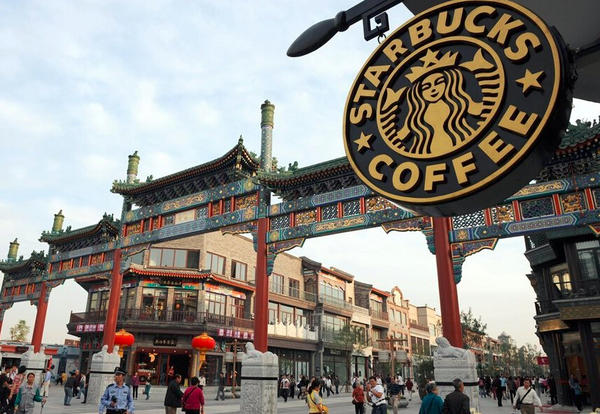
An inventory of the Development of International Cafe chains in China
From Best Buy to B & Q, many foreign retail brands have encountered a Waterloo in China, and successful business models in the domestic market cannot be replicated in China. But the international coffee chain is an exception, and although it seems least likely to gain a foothold in China compared with other retail sectors in Western countries, it has been a great success. The Financial Times made an in-depth report on this phenomenon. Although there are thousands in China

The rise and Development of Coffee Culture in China
The word coffee introduced into China comes from the Greek word Kaweh, which means strength and enthusiasm. Coffee tree is an evergreen shrub of Capsaceae. Daily coffee is made from coffee beans combined with a variety of cooking utensils, and coffee beans refer to the nuts in the fruit of the coffee tree, which are then roasted with appropriate roasting methods. When the banshee image of Starbucks gradually became familiar to the Chinese.

Chinese people fall in love with coffee foreign coffee chains are growing rapidly in China
The picture of a Starbucks store in China comes from a report by foreign media on December 30 that many foreign brands and business models from Best Buy to B & Q have encountered a Waterloo in China. However, the Western retail concept of foreign coffee shops, which was perhaps the least likely to succeed, has flourished in China. According to a report on the Financial Times website on December 29,
An inventory of the Development of International Cafe chains in China Coffee Culture in Starbucks Coffee Market
From Best Buy to B & Q, many foreign retail brands have encountered a Waterloo in China, and successful business models in the domestic market cannot be replicated in China. But the international coffee chain is an exception, and although it seems least likely to gain a foothold in China compared with other retail sectors in Western countries, it has been a great success. The Financial Times made an in-depth report on this phenomenon. Although there are thousands in China
Blue Mountain Coffee beans
Blue Mountain Coffee beans are grown in the Blue Mountains of western Jamaica, hence the name. Blue Mountain is a mountain range with an elevation of 2256 meters. Coffee trees are planted on a steep hillside about 1000 meters above sea level. The annual output of Blue Mountain coffee beans is only about 700 tons. Blue Mountain coffee beans are full in shape and slightly bigger than ordinary beans. Sour, fragrant, mellow, sweet taste is uniform and strong, slightly bitter, taste harmonious, flavor
Cultural Development and name meaning of Turandot Music Coffee introduction to Turandot Coffee
The origin of the brand is that people in the ancient Italian town of Roca love music and coffee for generations. Where there is music, there will be the rich aroma of coffee, and where there is coffee, there must be music lingering. This is the holy place of music and the hometown of coffee. Mr. Giacamopuccini, a generation of opera master, was born here, and the European classic music coffee brand Turandot Turandot also originated here.
How far is China from being a big coffee consumer? China Coffee Trading Network
In Fushan, a small town in the western corner of Hainan, fragrant cafes are full all the year round, and local residents consume more than 200 cups of coffee per capita each year. This astonishing consumption impressed coffee suppliers from all over the world who came here to participate in the International barista Championship. Chinese people began to be interested in coffee culture, which made me see the huge market potential. Ethiopia
Coffee fashion is free to reveal the age
For office workers, it is difficult to have enough time to enjoy traditional afternoon tea, so the habit of drinking a short and comfortable Western-style afternoon tea gradually spread among office workers. Now in the office building convergence place emerged a lot of chain operation coffee house, self-service and fast service, comfortable street space is favored. these

How far is China from being a big coffee consumer?
In Fushan, a small town in the western corner of Hainan, fragrant cafes are full all the year round, and local residents consume more than 200 cups of coffee per capita each year. This astonishing consumption impressed coffee suppliers from all over the world who came here to participate in the International barista Championship. Chinese people began to be interested in coffee culture, which made me see the huge market potential. Ethiopian federal democracy
Xikang Road (Shanghai Xikang Road) Cafe China Coffee Network
Xikang Road was built by Shanghai Public concession Industry Bureau in 1900 and named Xiaosha du Road (Ferry Road). When Wang Ching-Wei's government took over the concession in 1943, it changed its name to Xikang Road, which got its name from Xikang Province, a province in western China. Xikang Road intersects with a number of east-west roads, including Nanjing West Road, Nanyang Road, Beijing West Road, Xinzha Road, Kangding Road,

How Coffee Brands gain a firm foothold in China
According to statistics, there are about 10 new coffee brands in China every year, but not every brand will be successful. In fact, China's coffee industry has just started, and coffee brands in China are better to take root in China than in western countries with deep coffee soil. There is definitely room for them to survive in the Chinese market, but how can these coffee brands gain a foothold? According to the coffee shop

How far is China's coffee market from a big coffee consumer?
In Fushan, a small town in the western corner of Hainan, fragrant cafes are full all the year round, and local residents consume more than 200 cups of coffee per capita each year. This astonishing consumption impressed coffee suppliers from all over the world who came here to participate in the International barista Championship. Chinese people began to be interested in coffee culture, which made me see the huge market potential. Ethiopian federal democracy

Coffee Industry develops Coffee Market consumption in China reaches 300 billion yuan
Wang Caihua, a senior research and management expert in China's coffee industry and deputy director of the coffee shop standardization promotion and management committee, said: according to relevant industry data, China's coffee market will continue to expand. China's coffee market will enter a period of rapid growth in the next 10 years, and its consumption is expected to reach 300 billion yuan by 2020. Wang Caihua believes that China's strong economy is real.

How far is the coffee market from China to a big coffee consumer?
In Fushan, a small town in the western corner of Hainan, fragrant cafes are full all the year round, and local residents consume more than 200 cups of coffee per capita each year. This astonishing consumption impressed coffee suppliers from all over the world who came here to participate in the International barista Championship. Chinese people began to be interested in coffee culture, which made me see the huge market potential. Ethiopian federal democracy
French Coffee and Chinese Tea
France is located in the western part of the European continent and the largest country in Western Europe. China ranks in the middle of Asia and the largest country in Asia. One is a transit station for cultural exchanges in the world, and the other is an ancient cultural country with a history of 5,000 years. The two bright pearls in Eurasia and Asia minor influence the process of civilization in the world and promote the communication of information culture between the West and the East.

A comparison between Chinese Tea Culture and Western Coffee Culture
Tea, coffee and cola are regarded as the three major drinks in the world, and the largest consumption is tea and coffee. Coffee is a substitute for coffee in the life of westerners, no matter at school, in the company, or at home as usual, everyone enjoys it with a coffee cup, while tea is hard to change in Chinese life. It is not only a kind of drink, but also carries Chinese and Chinese culture. Tea and coffee represent

French Coffee and Chinese Tea Foreign Culture meets Tea
France is located in the western part of the European continent and the largest country in Western Europe. China ranks in the middle of Asia and the largest country in Asia. One is a transit station for cultural exchanges in the world, and the other is an ancient cultural country with a history of 5,000 years. The two bright pearls in Eurasia and Asia minor influence the process of civilization in the world and promote the communication of information culture between the West and the East.